Sell the bundlefulfill what is actually inside
Define a bundle as the products and quantities it contains. Warehance derives how many complete bundles component stock can support, then turns bundle demand into the component items your warehouse allocates, picks, and ships.
Request a demo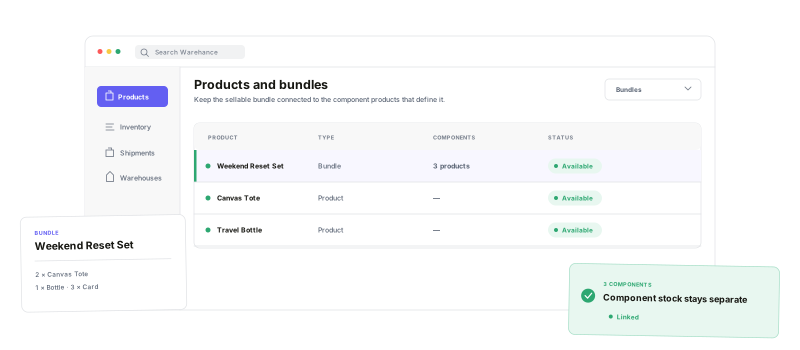
Keep the customer-facing bundle connected to the SKUs, quantities, and inventory your warehouse actually handles.
Virtual bundle parent
Sell a set without storing separate inventory on the parent product.
Exact component quantities
Define how many of each component belong in one bundle.
Component-based availability
Let the limiting component determine how many complete bundles are available.
Component-level fulfillment
Expand each bundle into the component items the warehouse needs to move.
Define the relationship onceand keep it reviewable
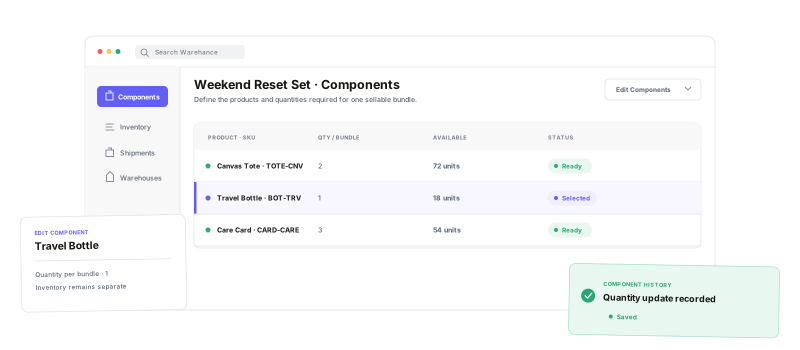
Add the products that make up the bundle and set the quantity required for each one. The Components tab keeps component inventory beside the definition, the global Bundles view gives you a cross-product matrix, and Component History records what changed and who changed it.
Let component stockset the bundle limit
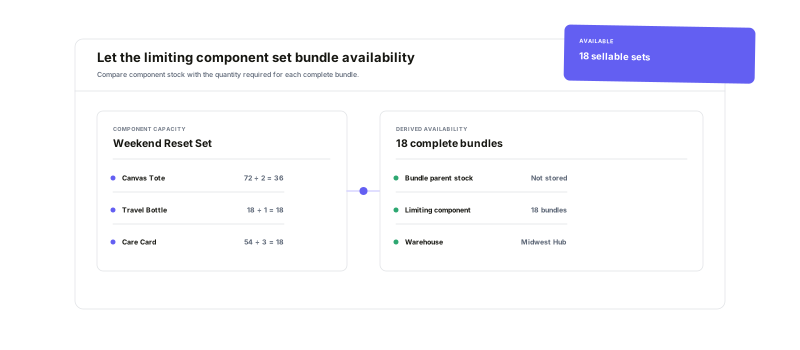
Warehance does not create a second physical inventory count for the bundle parent. It divides each component's warehouse On Hand and Available quantities by the amount needed per bundle, then uses the lowest whole-bundle result so the bundle stays grounded in stock that can actually complete the set.
Keep the bundle togetherwithout hiding its pieces
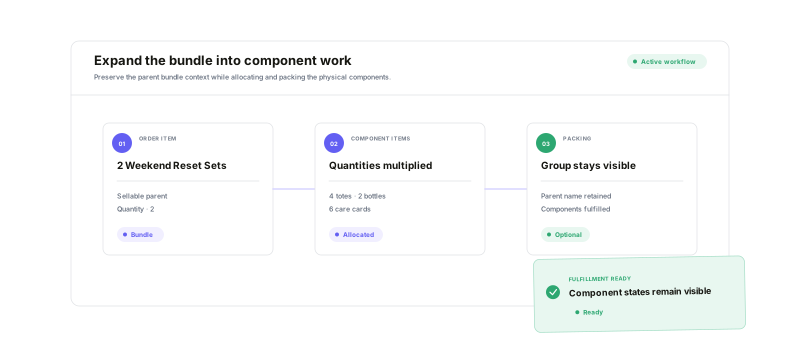
When a bundle order arrives, Warehance keeps the parent relationship and creates the required component order items with multiplied quantities. Expand the bundle on Order Details to inspect the underlying allocation and fulfillment states, and optionally group those components under the bundle name while packing.
Product bundle questions
Turn every bundle sale into clear component work
Start running your warehouse operations with Warehance today and experience complete freedom to grow your business without compromise.
