Case study / KTX 3PL
How KTX 3PL scaled from 150 to 3,000+ orders a day
As daily volume grew, KTX needed a WMS the floor team could actually work in. Daryl Kosoris says Warehance helped them connect stores, move orders, and take on a much larger client.
FeaturingKTX 3PL
 Illustrative warehouse image
A new client needed KTX 3PL to ship a high volume of the same product. The old warehouse system had already made bulk work difficult. For president Daryl Kosoris, the question was whether his team could absorb more orders without making the software another bottleneck.
At a glance
What changed with Warehance
Bulk work exposed the limits
KTX says its previous WMS was hard for the team to use, slow to process orders, and unreliable for high-volume shipments.
Connect stores and move the queue
Daryl says KTX connected its sales channels quickly and used Warehance to run picking and shipping as a large account came aboard.
Room for a larger operation
KTX reports daily volume growing from 150 to more than 3,000 orders, with a major client's work live within 48 hours.
The starting point
The old WMS was becoming part of the problem
KTX grew from a small brokerage into a fulfillment operation handling e-commerce orders, Amazon FBA prep, and pallet storage. In Cedar Hill, the company expanded into a 170,000-square-foot warehouse. More capacity on the floor also meant more work for the systems coordinating it.
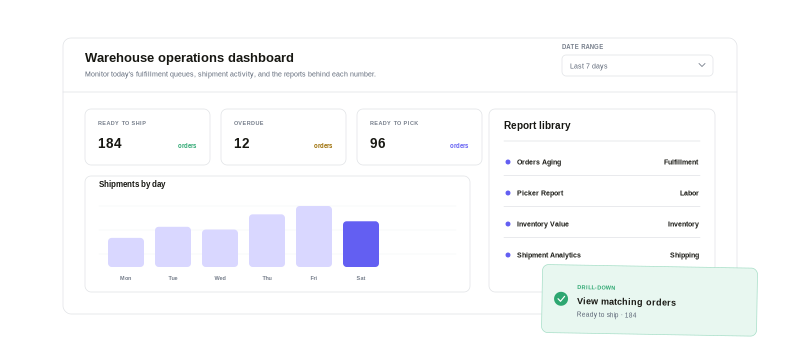
KTX says its previous WMS was difficult for the team to learn and slow in day-to-day use. Bulk shipping was unreliable, and the team had limited visibility into work moving through the building. Daryl needed the software to help people handle orders rather than give them another process to work around.
The pressure became concrete when a large client brought a high-volume, same-SKU shipping requirement. KTX had the physical operation to serve the account. It needed a warehouse workflow that could keep pace with that demand.
The changeover
Getting connected did not have to stop the floor
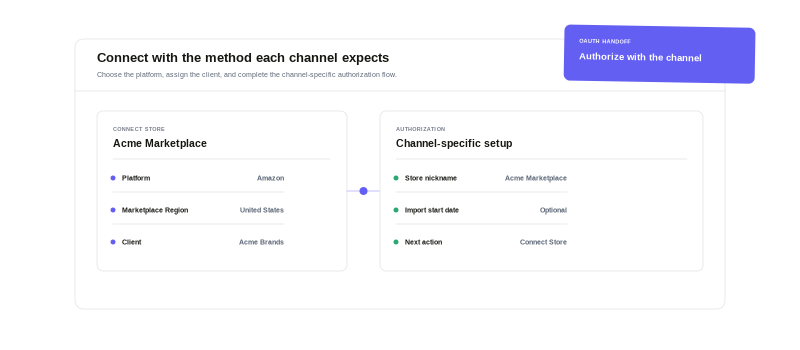
Daryl recalls that KTX was fully set up in an hour or two. He specifically mentions connecting Shopify, WooCommerce, and Amazon. That speed mattered because the team was trying to move real client orders, not run a long software project alongside its warehouse work.
The practical difference was a clearer path from a brand's store to the fulfillment queue. Orders could enter the warehouse workflow while KTX's staff worked in a system Daryl describes as easier to use than the previous one. KTX's own Shopify fulfillment guide also describes the order moving from the store into Warehance before the team picks, packs, and ships it.
A quick setup alone would not have been enough. For KTX, it needed to lead to a daily process the warehouse team could follow when new accounts arrived.
The volume test
A large account put the new workflow to work
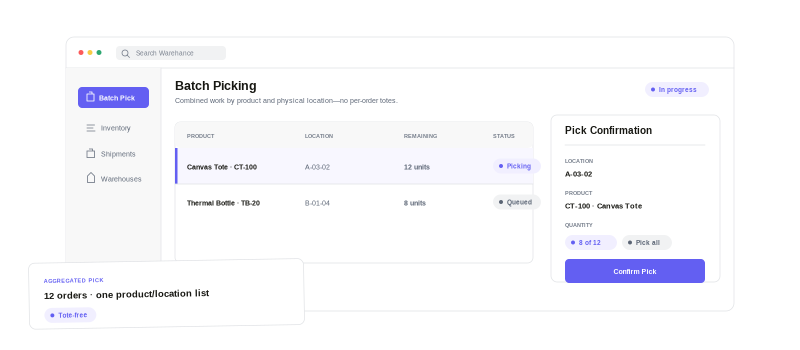
The same-SKU client was the kind of account that had strained KTX's old bulk workflow. Soon after the Warehance changeover, KTX says a major client increased daily order volume by more than 120%. The question was whether the operation could get through the queue as that work arrived.
KTX reports that end-to-end fulfillment for the account was live within 48 hours. The team describes faster picking and shipping, along with an increase in efficiency during the first two days.
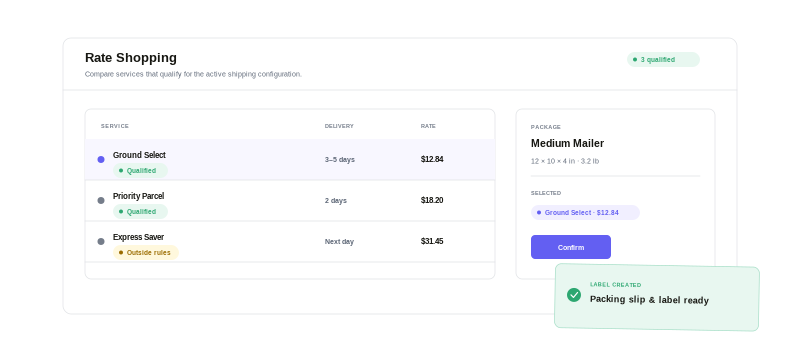
The important operational change is visible in the sequence: connect the order source, give the team a workable pick, then move the shipment out. That let KTX take on the client's volume without rebuilding the process around the software.
What followed
An easier system helped KTX answer the next client
Daryl describes the value of the change in terms of customer conversations, too. He says clients noticed the difference between Warehance and KTX's previous system. For a 3PL, the warehouse software is part of the service a brand experiences: it shapes how smoothly orders move and how confidently the team can explain them.
He also points to support. Daryl says Warehance answered his questions quickly when he needed help. That responsiveness mattered while KTX was bringing new work into an operation already growing fast.
KTX reports that its daily order volume grew from about 150 to more than 3,000. Warehance was one part of that growth story: a system Daryl could put in front of his team and clients as the operation expanded.
The outcome
More orders without a harder warehouse day
KTX reports a jump from 150 to more than 3,000 daily orders as the company grew. Daryl's account of Warehance centers on the work behind that number: connecting stores, giving the floor team a usable workflow, and getting help when a new client changes the pace.
See Warehance in action
Talk through your warehouse workflow with our team.
Warehouse photo is illustrative. Product visuals use sample Warehance data. Results and quotes are drawn from Warehance's previously published KTX case study.